Mapping Player Journeys Through Poker Software Choices and Rakeback in Scheduled Tournaments
Mara Berger · Sep 26, 2026
Mapping Player Journeys Through Poker Software Choices and Rakeback in Scheduled Tournaments
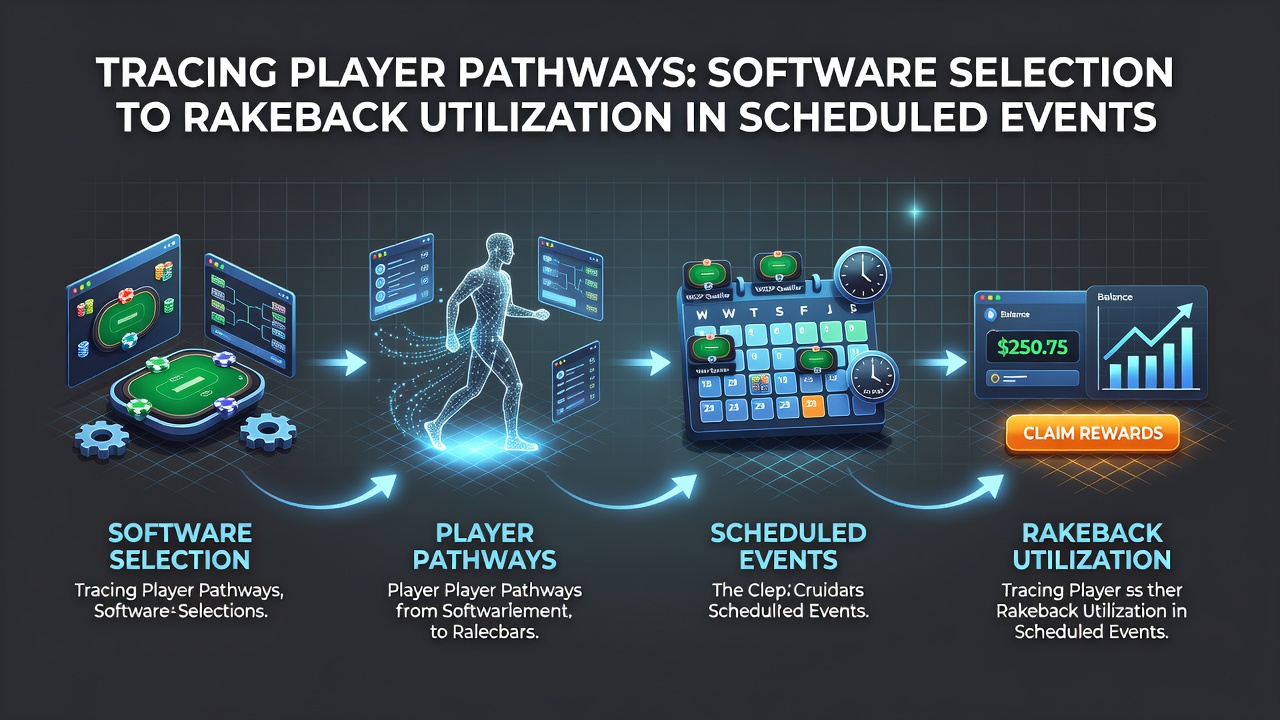
Players navigate a sequence of decisions that begins with software selection and extends through rakeback utilization during scheduled events, where data from industry reports shows consistent patterns across multiple platforms. Observers note that software choices often determine which rake structures become accessible later, while scheduled tournaments create fixed opportunities for maximizing those benefits through consistent participation.
Software Selection as the Starting Point
Research from gaming associations indicates that players evaluate poker clients based on interface stability, game variety, and integration with tracking tools before committing to any platform. Data reveals that those who prioritize software with built-in hand history exports gain advantages when analyzing performance trends over time, and this step influences which rakeback programs remain viable downstream. Multiple studies highlight how regional regulations shape available options, with operators in North America and Europe offering distinct feature sets tied to licensing requirements.
Rakeback Structures and Their Mechanics
Rakeback programs return a percentage of fees collected during play, and operators calculate these rewards through weekly or monthly cycles that align with tournament calendars. Figures from trade group analyses demonstrate that higher-volume participants reach better tiers faster when software supports seamless tracking of contributed rake across cash games and scheduled events. Players who select platforms with transparent loyalty systems encounter fewer barriers when converting accumulated points into cash or tournament entries.
Connecting Pathways in Scheduled Events
Scheduled tournaments operate on fixed timetables that reward advance planning, and software features like multi-tabling support allow participants to optimize their time across overlapping events. Evidence from industry reports shows that rakeback utilization peaks during high-volume periods such as September 2026 series, when operators release additional guarantees and bonus multipliers. Those who map their software preferences early can align rakeback accrual with these calendars, turning routine play into compounded returns without altering core strategies.
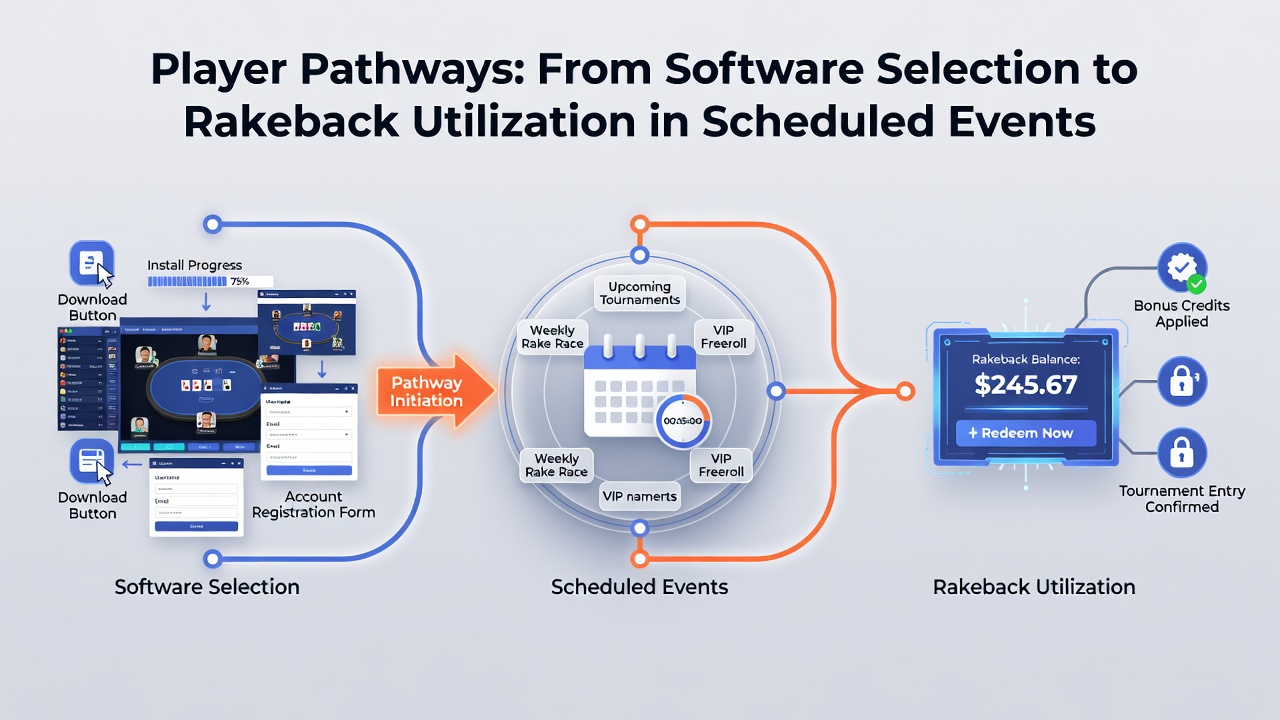
One case examined by researchers revealed that players using integrated tracking software identified optimal event sequences months ahead, which in turn maximized their rakeback percentages through consistent volume. This integration matters because scheduled events often feature progressive knockouts or satellite structures that generate additional rake beyond standard formats.
Regional Variations and Data Trends
According to sources from the Australian Communications and Media Authority, player pathways differ by jurisdiction due to varying rules on bonus structures and software approvals. Data indicates stronger uptake of rakeback-linked loyalty programs in markets with established online frameworks, while emerging regions show slower adoption tied to limited software options. Observers note that cross-border players frequently compare multiple clients to access the most favorable rake returns during international tournament series.
What's interesting is how software updates in late 2025 carried forward into 2026 schedules, enabling better synchronization between daily freerolls and major events. Players who adapted early maintained higher utilization rates when rakeback tiers reset at the start of new promotional periods.
Conclusion
The pathway from software selection to rakeback utilization forms a measurable sequence shaped by platform features, regulatory environments, and tournament timing. Reports compiled through 2026 confirm that informed choices at each stage produce measurable differences in overall returns, particularly when players align their activity with scheduled events that amplify rake generation. Continued monitoring of these patterns provides clear insights into how participants navigate online poker ecosystems across different regions.